



Embarking on entrepreneurship and creating your brand is a lifelong project. Beyond personal and financial investment, each decision impacts the trajectory that a company will take. This is particularly the case with the choice of business model1, from which the entire global strategy derives and which should therefore not be taken lightly! In e-commerce, there are two types of business models: direct-to-consumer (DTC)2 and business-to-business (B2B)3, each with their advantages and disadvantages.
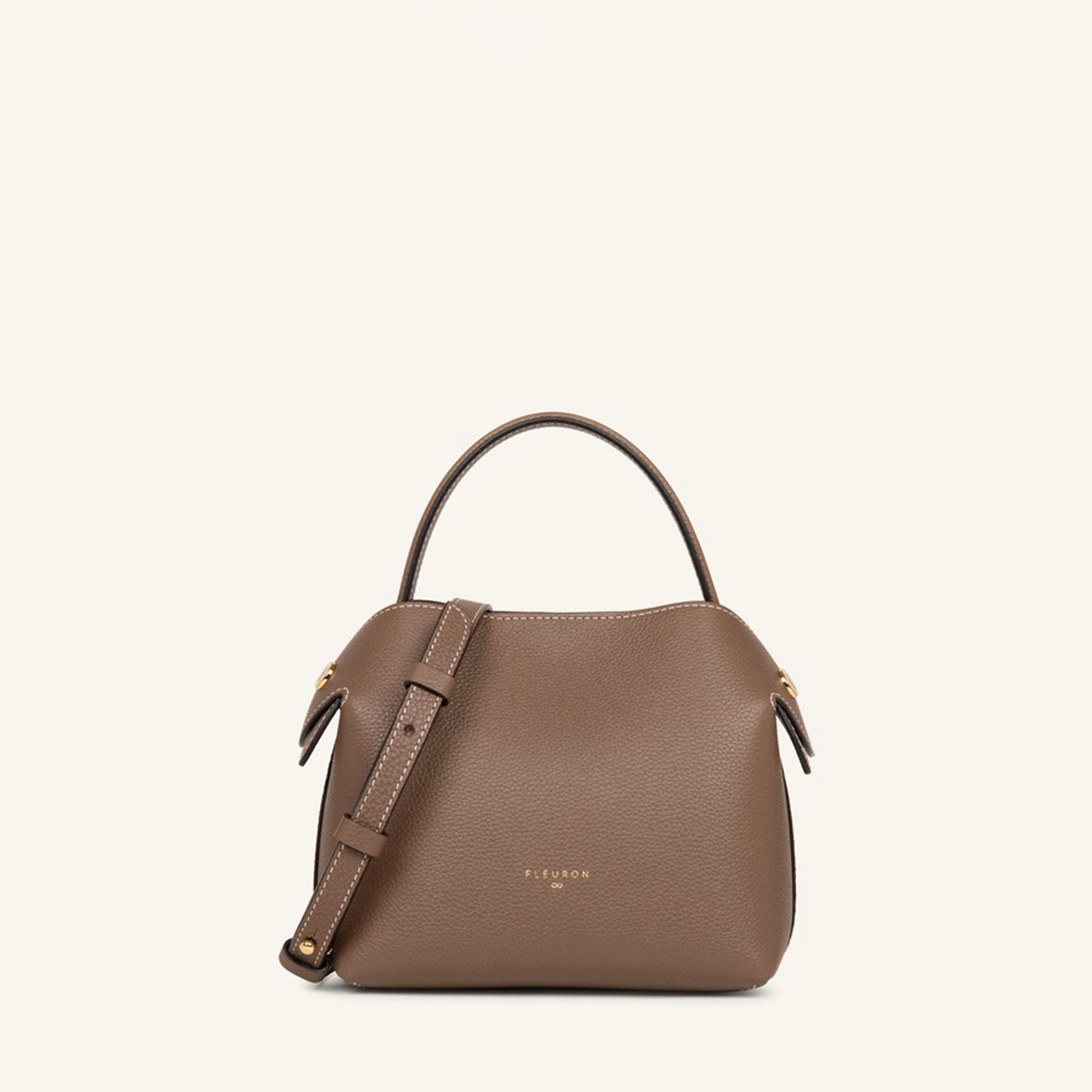
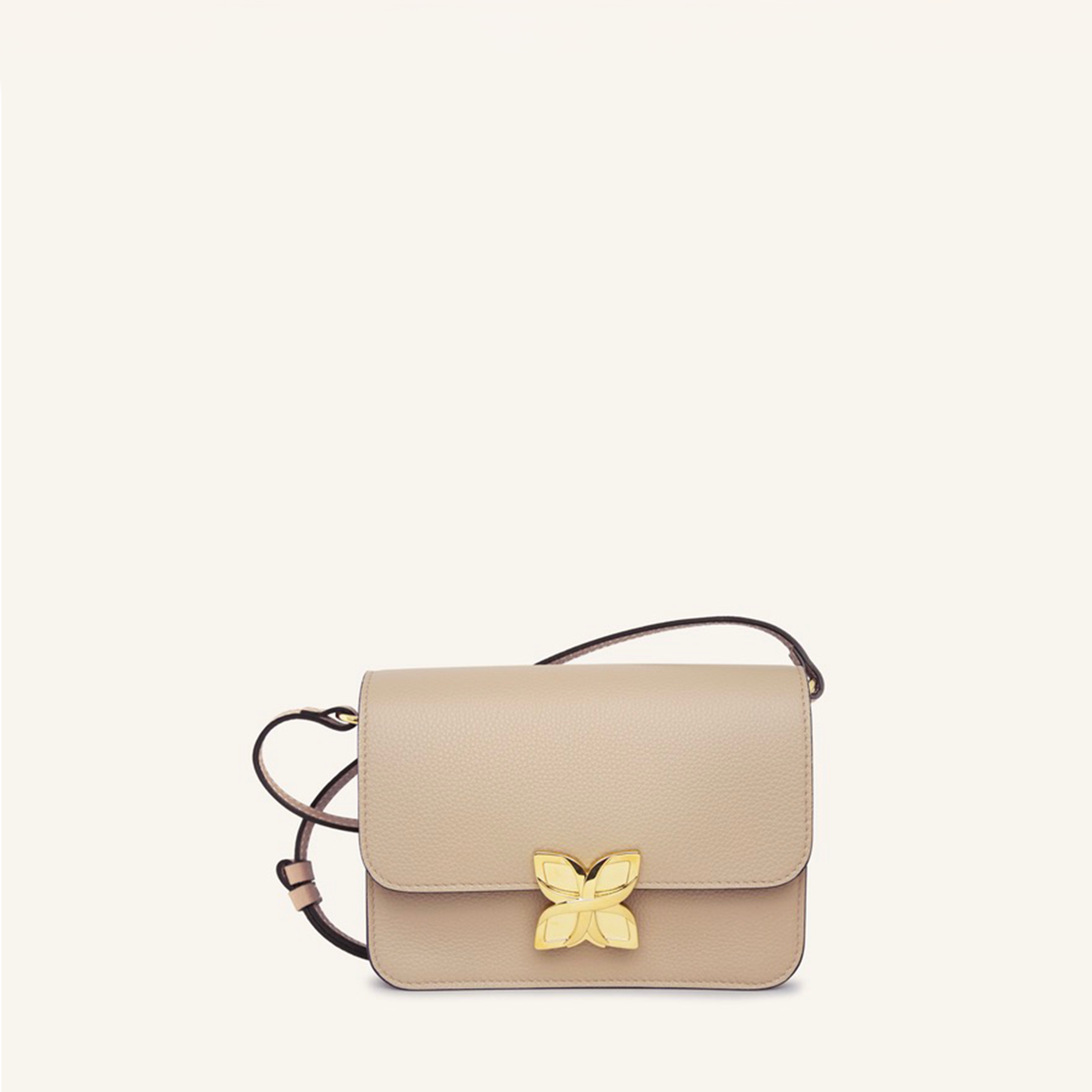
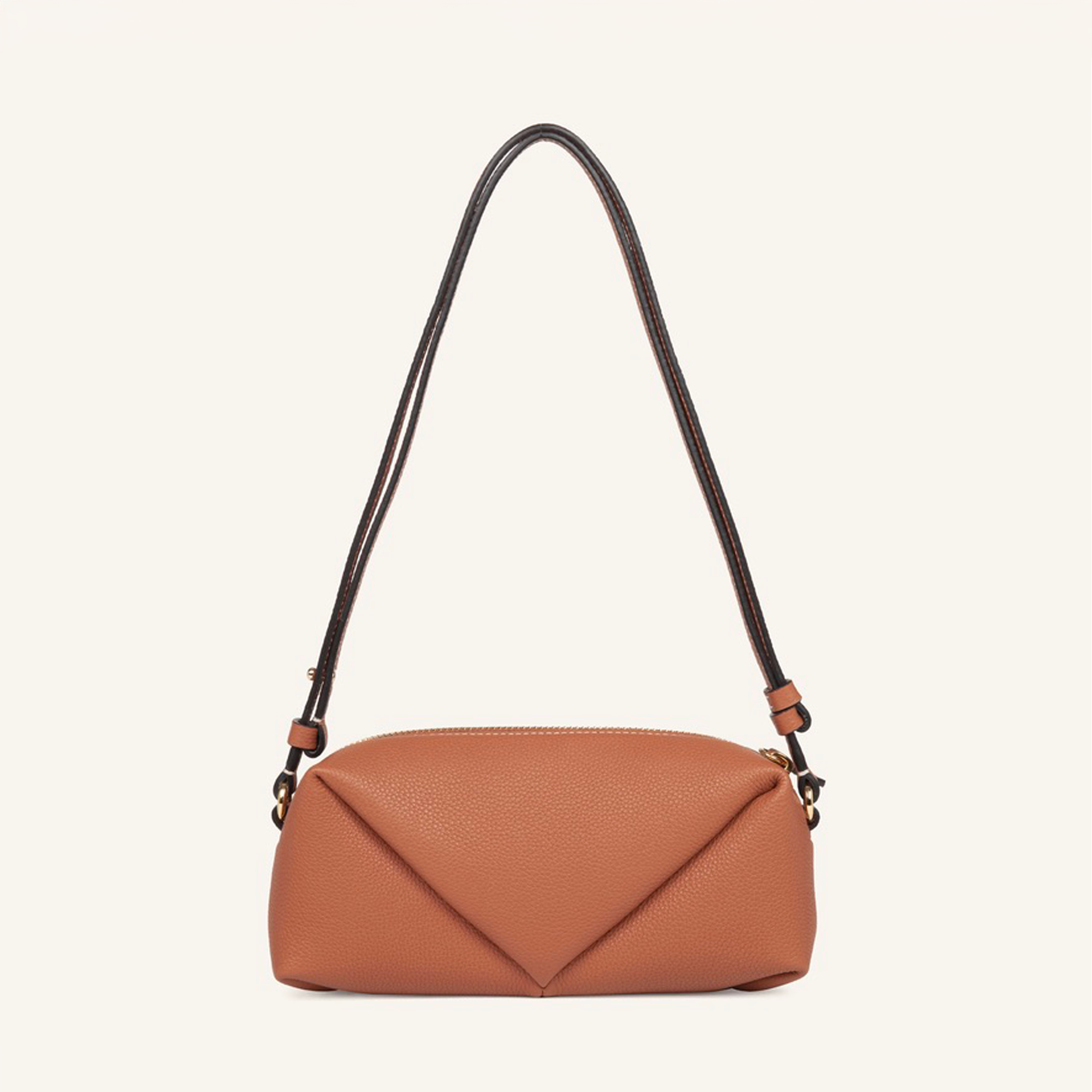
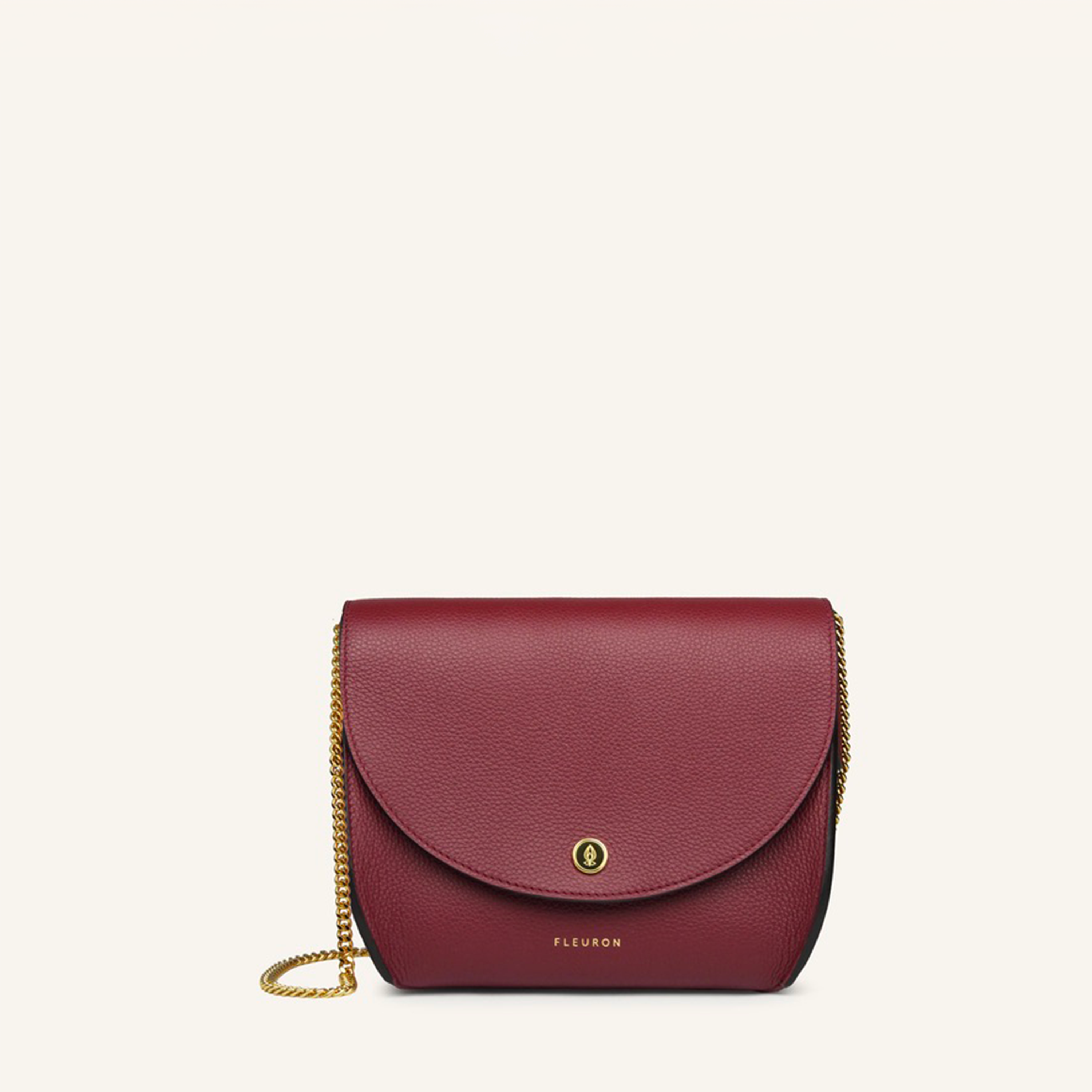
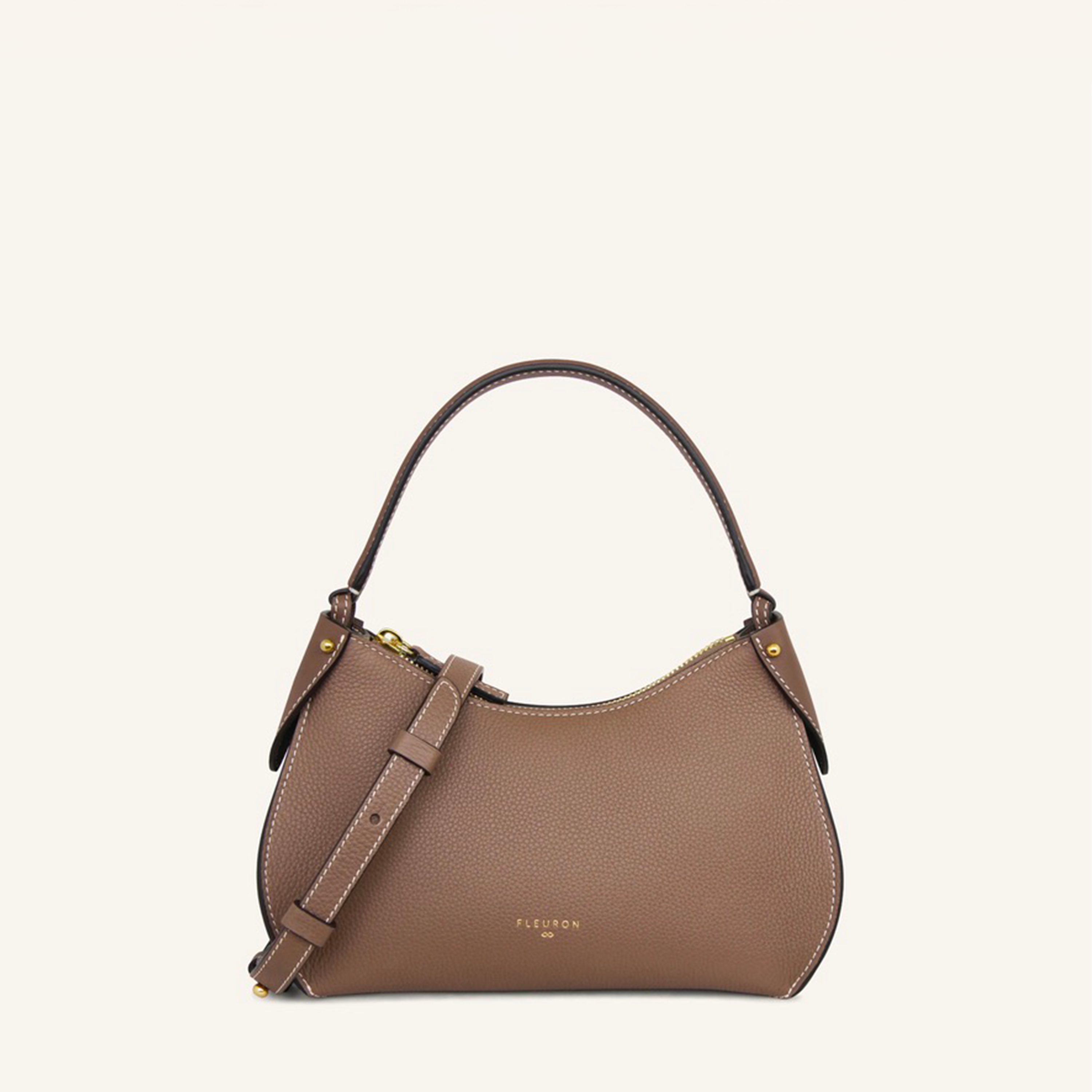
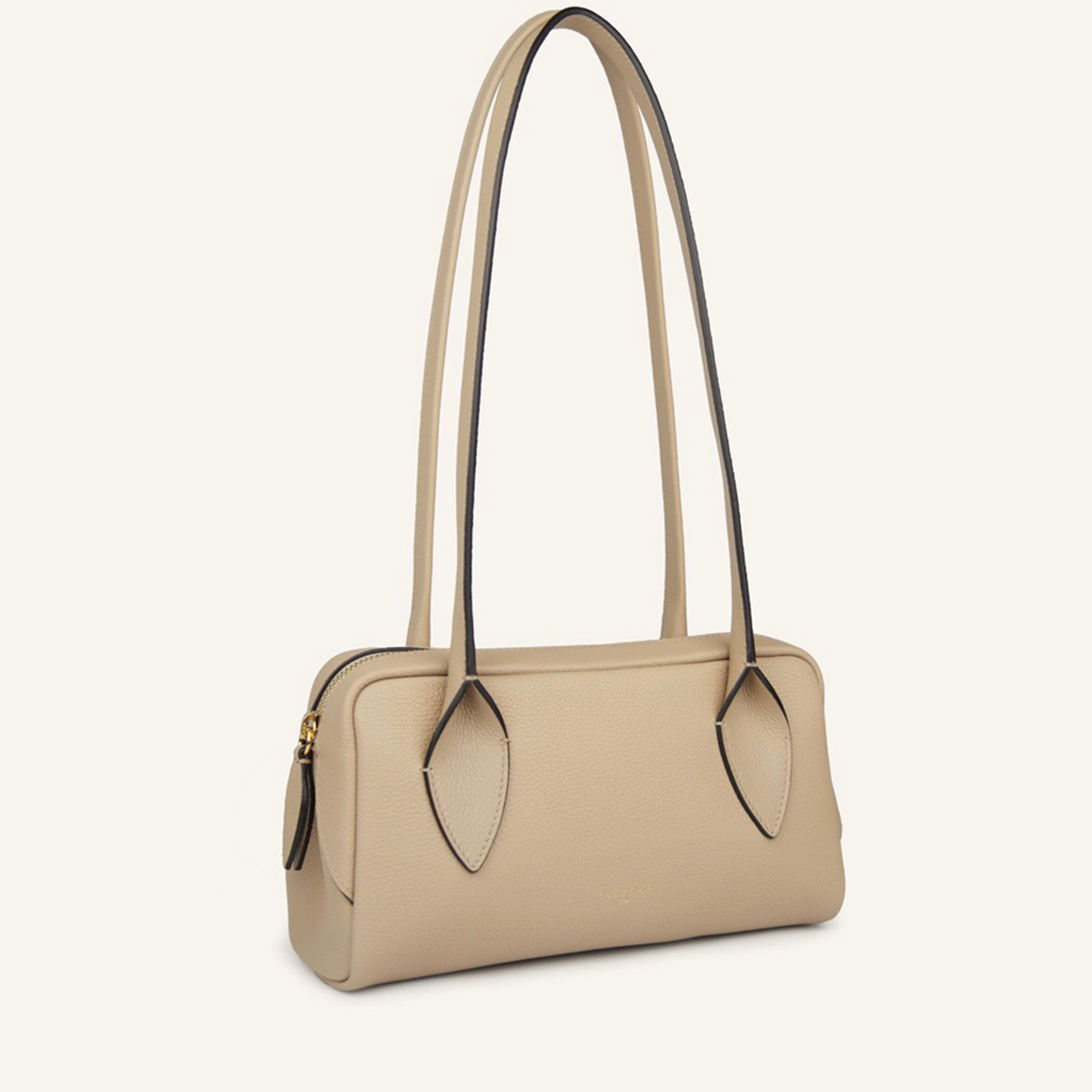
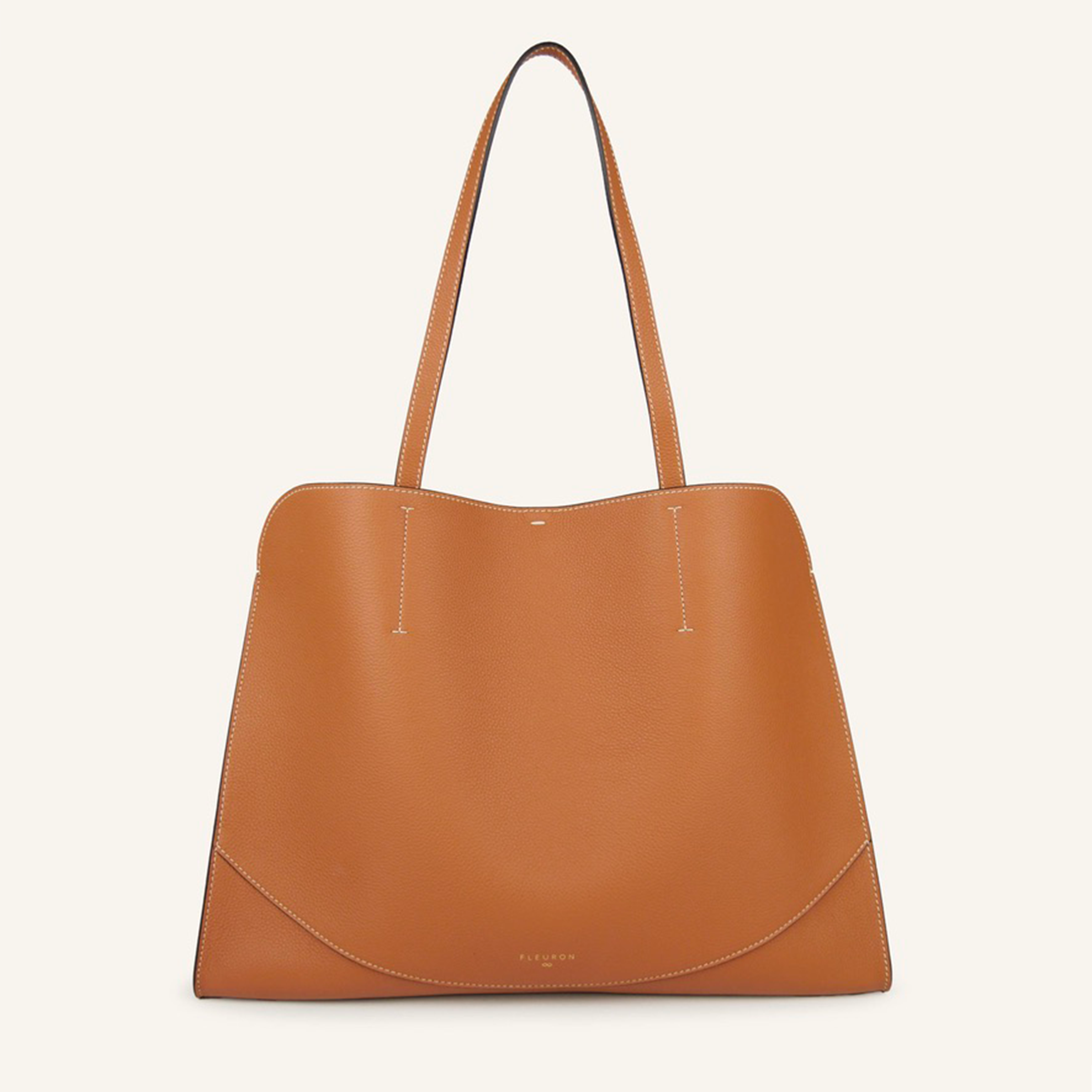
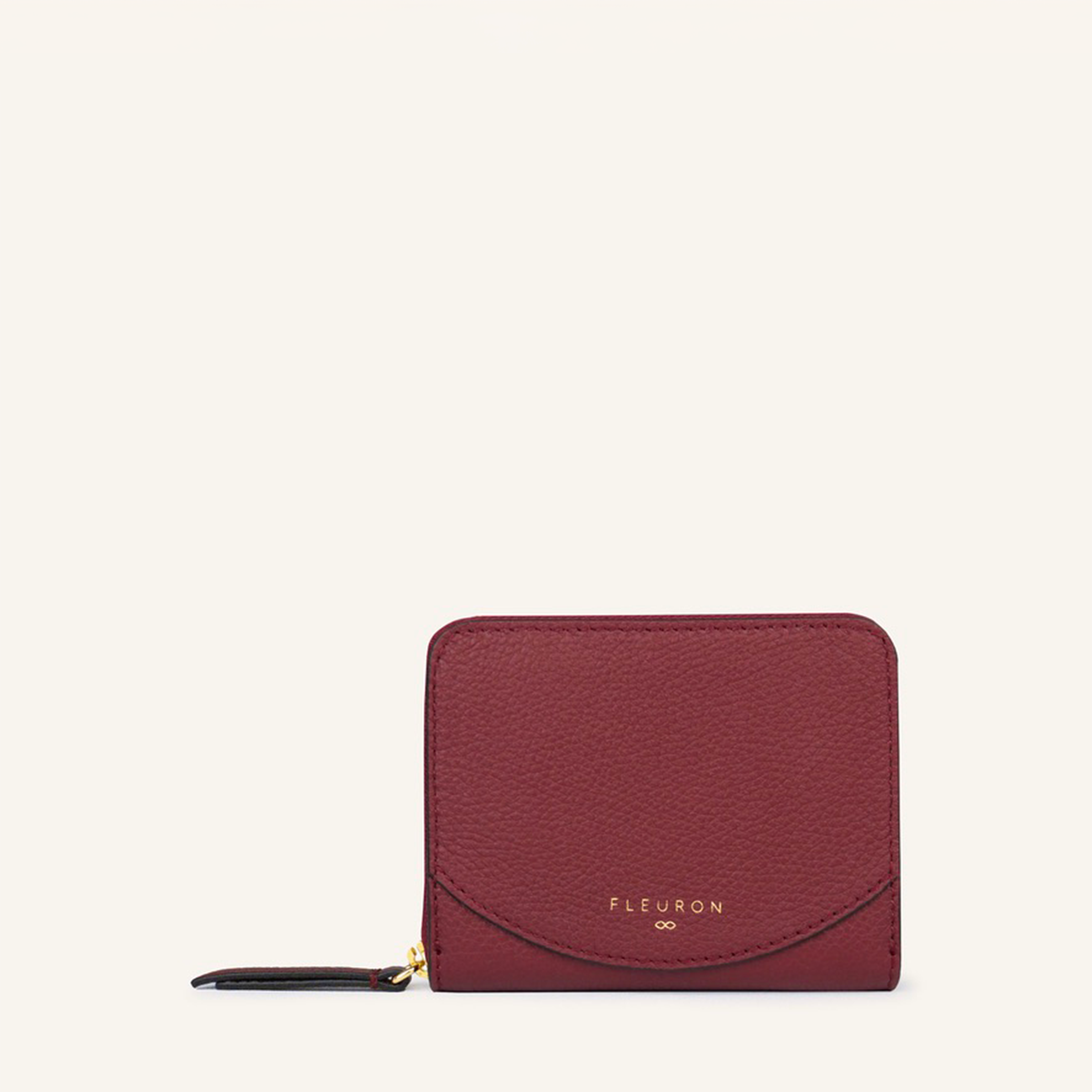
For Fleuron, a slow fashion4 house of fine leather goods and a DNVB (Digital Native Vertical Brand)5 created and sold exclusively online, it was quite natural for us to turn to the DTC model, which echoes our values and our commitment. In this model, we sell directly to the end customer, without any intermediary (resellers, department stores, e-retail platforms, etc.).
Direct-to-consumer: a simple trend or a solid business model?
1. People at the center of DTC
The direct link with our customers is precious. For us, people are at the center. Creating a relationship with each of them and offering them an optimal customer experience is one of our most essential objectives and the main interest of DTC, which has been in vogue for several years. And the advantages of this model go far beyond…
2. Brand image and control of the distribution network
Selling without an intermediary gives us the opportunity to have better control over our brand image and communications. An exclusive distribution network ensures that each sales channel reflects our image.
3. Selling at the fair price
Our desire has always been to offer our customers daring pieces made from the most beautiful hides, of the best quality, crafted by master leatherworkers in renowned ateliers. All at an accessible price.
Offering our collection without an intermediary allows us to sell at the fair price, thanks to a win-win approach for the customer and for us. Our margins are lower than if we sold through an intermediary, but the customer pays the true value of the product. In B2B, the consumer pays a double margin, the brand's and the intermediary's, so the final price is higher. This is why the same product can sometimes be found discounted by up to 50% at a reseller. At Fleuron, we opt for more transparency.
4. Creative freedom and measured production
With a DTC model, we can enrich our collection at our own pace, taking the time to think and craft as we see fit. As a committed brand, we want to produce less but in a more virtuous way by limiting our stock. Working with resellers requires fulfilling large order volumes and having adequate production capacity. It also sometimes means depending on a tight collection schedule, sometimes set several years in advance.
Is business-to-business still suited to today's challenges?
1. Increased visibility and commercial power
Being present as a brand within reseller networks (online or physical) has many advantages. The main ones are commercial and communication strength, visibility, and faster customer acquisition in France and internationally, particularly in multi-brand stores such as department stores. This means less marketing budget for the brand, which builds its awareness more quickly.
2. More profitable margins
The most convincing advantage of B2B is above all economic. Order volumes can reach hundreds or thousands of pieces for the manufacturer, and the margins are more attractive for everyone... Except for the end customer. The brand, for its part, does not have to worry about whether the products will sell or not, since the purchased stock belongs to the intermediary company.
3. Logistics managed by a third party
As an e-commerce brand, we had to set up logistics procedures for preparing and shipping our packages, as well as customer service and after-sales. In B2B, these logistics and their costs are entirely managed by the third-party resellers.
The choice of a business model depends of course on its profitability, but also and more than ever on the values and vision of each brand. At Fleuron, we want to work towards more sustainable fashion by producing less, but better. We have chosen timelessness over seasonality, and the long term: in the making of our pieces and in the development of our house. Changing fashion and mindsets takes time, perhaps evolving towards a new hybrid model…
Glossary
1 Business model: the way a company creates and earns value.
2 Direct-to-consumer (DTC): a model in which a brand sells directly to its customers, without intermediaries.
3 Business-to-business (B2B): a model in which a brand sells to other companies, such as resellers or department stores.
4 Slow fashion: as opposed to "fast fashion", a model of mass, standardized production, slow fashion promotes manufacturing that is responsible for the environment and respectful of human rights. This movement works for more durable product quality and transparency across the value chain.
5 DNVB (Digital Native Vertical Brand): a brand born online that controls its products from design to sale.